
Views: 0 Author: Site Editor Publish Time: 2026-04-22 Origin: Site


Choosing the right gear is more than a shopping trip; it is a critical safety decision. A "one size fits all" approach fails because size and breed dictate specific needs. You will learn to select the perfect pet harness leash collar for safety and comfort.
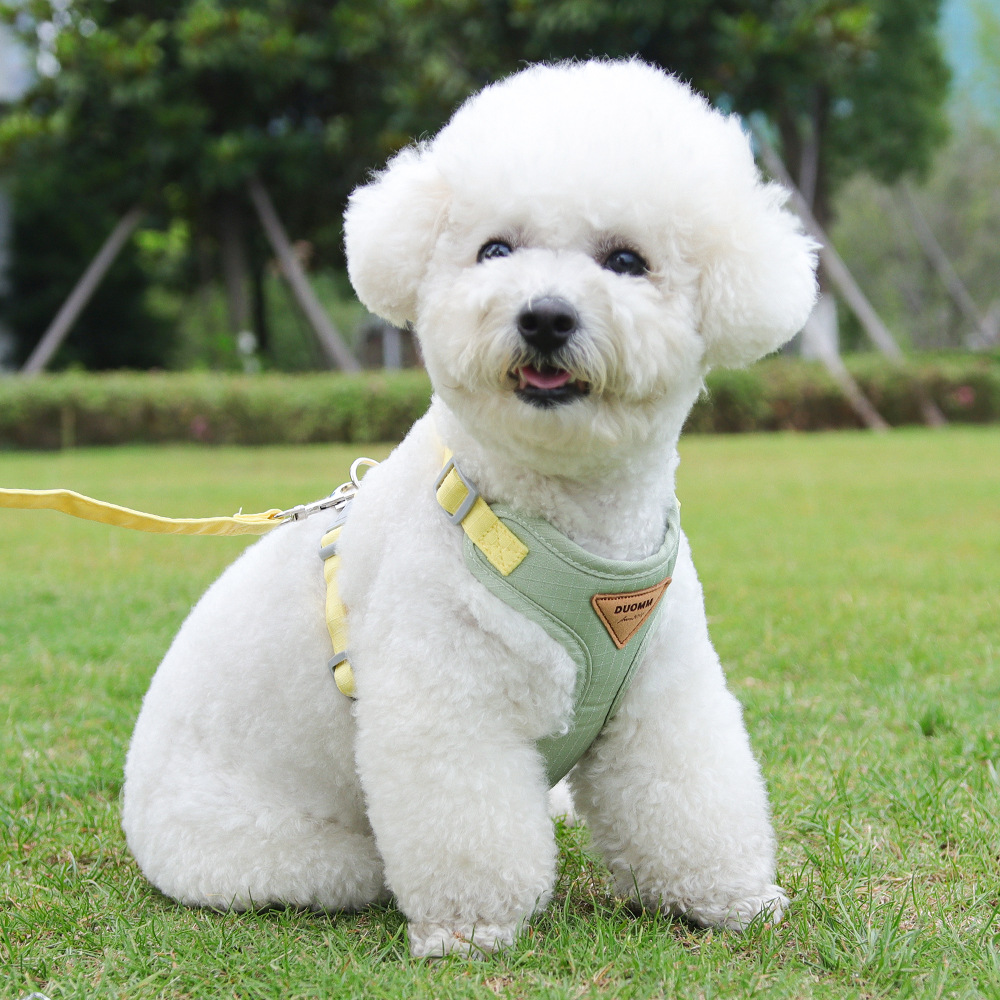
● Size Dictates Material: Small breeds need lightweight nylon, while large dogs require thick, reinforced materials with padded handles to prevent injury.
● Anatomy Matters: Use harnesses for flat-faced breeds to avoid respiratory pressure and martingale collars for narrow-headed sighthounds to prevent slipping.
● Control Methods: Front-clip harnesses or head halters are the most effective tools for managing strong pullers like Huskies or Labradors.
● Training Life Cycle: Puppies should start with fixed leashes to prevent pulling, while senior dogs benefit from harnesses that support aging joints.
● Safety and Visibility: Always inspect gear for fraying and utilize reflective materials for nighttime walks to protect both the handler and the dog.
● Maintenance for Longevity: Hand-wash nylon leashes with mild shampoo and apply pet-safe conditioner to leather to keep gear sanitary and flexible.
Your dog’s physical dimensions and muscular strength directly influence the durability and support required from their gear. A massive Great Dane exert vastly different forces on a clip compared to a tiny Pomeranian, making the physics of pulling a primary concern for hardware selection.
● Small and Toy Breeds: These dogs benefit most from lightweight nylon or leather materials. Heavy hardware can weigh them down or cause physical discomfort during a walk.
● Medium to Large Breeds: Powerful dogs require thicker, wider, and stronger materials to maintain control. Padded handles are essential for these sizes to prevent the handler from suffering injuries like leash burn.
● The Weight Factor: Gear must be light enough for comfort but strong enough to withstand sudden lunges.
● Measuring for Success: A flat collar should fit snugly enough to be secure but loose enough to avoid restricting breathing.
Dog Size Category | Recommended Material | Key Hardware Feature |
Toy/Small | Lightweight Nylon/Thin Leather | Small, non-weighted swivel snaps |
Medium | Standard Nylon/Braided Rope | Mid-sized steel or brass clips |
Large/Extra Large | Heavy-duty Nylon/Thick Leather | Reinforced stitching and padded handles |
The debate between a collar and a harness usually depends on the dog's behavior and physical health.
● Traditional Flat Collars: These are ideal for calm, obedient dogs that walk without pulling. They are lightweight and comfortable for everyday use.
● Standard Body Harnesses: These are the "gold standard" for dogs with respiratory sensitivities or tracheal issues. They distribute pressure evenly across the body instead of concentrating it on the delicate neck area.
● No-Pull and Front-Clip Harnesses: These specialized tools redirect the dog's movement, making them highly effective for strong pullers.
● Safety Limits: Collars are often unsuitable for dogs with narrow heads, like Greyhounds, who can easily slip free from standard designs.
Note: Harnesses can actually encourage some dogs to pull more comfortably, so they might require additional training to ensure the dog remains manageable.
The leash is your primary communication tool. Its length and material should match where you are walking and how much freedom your dog can handle.
● Standard Fixed Leashes: Usually 4 to 6 feet long, these offer the best control for daily training and city walks.
● Retractable Leashes: These provide freedom of movement for well-trained dogs but can reinforce pulling habits if used incorrectly.
● Long-Line Leashes: These are perfect for off-leash training or exploring open spaces safely, giving the dog extra range without losing a physical connection.
● Hands-Free and Double Leashes: Hands-free options are ideal for runners and hikers, while double leashes allow owners to manage two dogs simultaneously.
Note: When recommending leashes for active clients, suggest hands-free models with bungee sections to absorb shock for both the runner and the dog.
General size categories are a start, but specific breeds have anatomical quirks that demand specialized gear.
● Brachycephalic Breeds: Pugs, French Bulldogs, and Boston Terriers have flat faces and are prone to breathing issues. A full-body harness is mandatory for them to avoid neck pressure.
● Sighthounds: Breeds like Greyhounds and Whippets have heads narrower than their necks. They require martingale collars, which tighten slightly to prevent the dog from backing out of the collar.
● Working and Athletic Breeds: Border Collies and German Shepherds thrive with adjustable or hands-free leashes that accommodate their high-activity lifestyles.
● Strong Pullers: Labradors and Huskies benefit from head halters (like a Gentle Leader) or front-clip harnesses that discourage pulling by guiding the head or torso.
Note: Martingale collars are specifically designed to be safer for "escape artist" breeds while providing gentle correction.
As a dog grows and learns, its pet harness leash collar needs evolve.
● Puppy Foundations: Start with short nylon leashes and flat collars. Avoid retractable leashes during this stage to prevent the development of pulling habits.
● Adolescent "Pullers": During the "teenage" phase, dogs may need no-pull harnesses or head halters to reinforce good walking habits.
● Senior Support: Older dogs often need harnesses to support aging joints and ensure there is no unnecessary pressure on their necks.
● Behavioral Reinforcement: Using the right gear helps provide clear, consistent feedback to the dog, which strengthens their training over time.
The walk should be enjoyable for the human, too. If the equipment is uncomfortable, the walk will likely be cut short.
● Ergonomic Grips: Look for handles lined with neoprene or extra padding to prevent hand fatigue during long excursions.
● Visibility: Reflective or lighted leashes are essential for nighttime safety, ensuring both the dog and the handler are visible to traffic.
● Material Longevity: Leather leashes are durable and often become softer and more comfortable with age. Nylon is more versatile and easier to clean.
● Gear Inspection: Regularly check all equipment for fraying, stiffness, or weakened stitching to prevent accidental breakage.
Note: Regularly inspecting the metal clips for rust or mechanical failure is just as important as checking the fabric of the leash.
Proper maintenance extends the life of your gear and keeps the walking experience sanitary.
● Nylon Cleaning: Most nylon gear can be hand-washed with warm water and mild dog shampoo, then air-dried.
● Leather Preservation: Use a damp cloth for surface dirt and apply pet-safe leather conditioner periodically to prevent cracking.
● Health and Hygiene: Regular cleaning prevents the buildup of odors and bacteria that can lead to skin irritation for the dog.
● Replacement Cycles: If a leash shows signs of significant wear or the stitching is coming apart, it is time to replace it immediately to ensure safety.
Finding the ideal pet harness leash collar setup builds a bridge between safety and a better bond. Size-specific gear from Find the Best Chewy Pet Products for Your Furry Friends,ShengJiao ensures every walk remains controlled and comfortable for any dog. Their durable products offer unique value by matching your pet's physical needs perfectly. Consult a veterinarian for specific health concerns to choose the safest options. Use these quality tools to turn daily walks into a healthy and rewarding ritual.
A: Proper sizing prevents injury and ensures a secure, comfortable fit for different dog strengths.
A: Use a harness to prevent neck pressure and accommodate their respiratory sensitivities.
A: Yes, start with a short nylon leash and flat collar to build good walking habits.
A: This design prevents narrow-headed breeds from slipping out of their gear safely.
